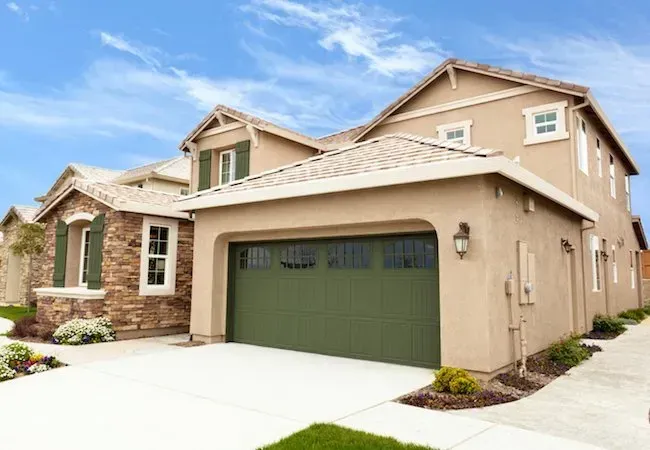
Preventive Maintenance: Keeping Your Home in Top Shape
Homeownership comes with its own set of responsibilities, and one of the most crucial is maintaining your property. Preventive maintenance is a proactive approach that saves money, enhances safety, and prolongs the lifespan of your home. In this blog, we will explore the importance of preventive maintenance, key areas to focus on, and tips for creating an effective maintenance plan.
What is Preventive Maintenance?
Preventive maintenance refers to regular, planned servicing and repairs of your home’s systems and structures. This approach aims to prevent unexpected breakdowns and costly repairs by identifying issues before they escalate.
Benefits of Preventive Maintenance
- Cost Savings: Regular maintenance can prevent costly repairs and replacements.
- Increased Safety: Addressing issues early reduces the risk of accidents and injuries.
- Enhanced Comfort: A well-maintained home is more comfortable and energy-efficient.
- Higher Property Value: Regular upkeep can increase your home's market value.
Key Areas for Preventive Maintenance
To keep your home in top shape, focus on the following key areas:
- Roof: Inspect for leaks, missing shingles, and debris.
- Plumbing: Check for leaks, clogs, and water pressure issues.
- Electrical: Test outlets, inspect cords, and ensure safety switches are functional.
- HVAC Systems: Schedule regular maintenance for heating and cooling systems.
- Exterior: Maintain siding, windows, and doors for weather protection.
- Landscaping: Keep trees trimmed and gutters clean to prevent water damage.
Creating a Preventive Maintenance Schedule
Developing a maintenance schedule can help you stay organized and ensure you don’t miss any critical tasks. Here’s how to create one:
- Make a list of all areas that require maintenance.
- Determine the frequency of inspections or servicing (monthly, quarterly, annually).
- Use a calendar or a home maintenance app to set reminders.
- Document completed tasks and any issues found.
Common Preventive Maintenance Tasks
Here are some common tasks to include in your preventive maintenance schedule:
- Change air filters every 1-3 months to maintain air quality.
- Flush the water heater annually to remove sediment buildup.
- Inspect smoke detectors and replace batteries at least once a year.
- Check caulking and weather stripping around windows and doors.
- Clean out gutters and downspouts twice a year.
- Service your lawnmower and garden tools before planting season.
When to Call in Professionals
While many preventive maintenance tasks can be done by homeowners, some require professional expertise. Consider hiring a professional for:
- Roof inspections and repairs.
- Electrical system upgrades or repairs.
- HVAC system servicing.
- Plumbing issues that require specialized tools or knowledge.
- Foundation inspections and repairs.
Conclusion
Preventive maintenance is an essential part of homeownership that protects your investment and ensures a safe, comfortable living environment. By prioritizing regular upkeep, you can avoid emergencies, save money, and maintain the value of your home. Start implementing a preventive maintenance plan today to keep your home in top shape for years to come.